


Cholesterol (Lipid) Disorders
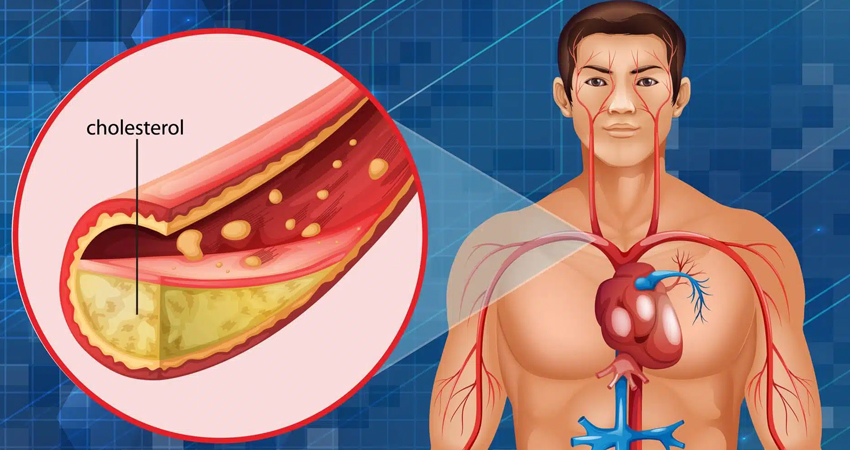
Cholesterol and lipid disorders (dyslipidaemias) involve abnormal levels of fats in the blood — including high LDL (bad cholesterol), low HDL (good cholesterol), or elevated triglycerides. These conditions are a major risk factor for heart disease and stroke. Many hormonal disorders also directly affect lipid metabolism, making endocrinology expertise essential for their management.
Types of Lipid Disorders
- Hypercholesterolaemia – Elevated total or LDL cholesterol
- Hypertriglyceridaemia – High triglyceride levels
- Mixed Dyslipidaemia – Combination of high LDL and triglycerides with low HDL
- Familial Hypercholesterolaemia – Inherited condition causing very high LDL from an early age
Hormonal & Metabolic Causes
- Hypothyroidism (raises LDL cholesterol)
- Diabetes and insulin resistance
- Cushing's Syndrome
- PCOS
- Obesity
- Kidney or liver disease
Why It Matters
- Atherosclerosis (plaque build-up in arteries)
- Heart attack and coronary artery disease
- Stroke
- Peripheral vascular disease
- Pancreatitis (with severely high triglycerides)
Diagnosis
- Fasting lipid profile (total cholesterol, LDL, HDL, triglycerides)
- Blood glucose and HbA1c
- Thyroid function tests
- Liver and kidney function tests
- Genetic testing for familial hypercholesterolaemia when indicated
Treatment
Lifestyle Modifications
Heart-healthy diet, regular physical activity, smoking cessation, and weight management are the first line of treatment.
Cholesterol-Lowering Medications
Statins are the most common medication. Ezetimibe, fibrates, PCSK9 inhibitors, and omega-3 supplements may also be used depending on the lipid abnormality.
Treating Underlying Conditions
Managing hypothyroidism, diabetes, or other hormonal causes often improves lipid levels significantly.
Why Choose Dr. Harsh Parekh?
Dr. Harsh Parekh evaluates lipid disorders in the context of the whole metabolic picture — identifying underlying hormonal contributors and tailoring treatment to reduce cardiovascular risk while addressing the root cause.