Call Us: +91 9100944127
Email Address: endoinfo2018@gmail.com
 Medical Obesity Management
We identify and manage the underlying hormonal and metabolic causes of obesity with customized treatment plans that support lasting weight loss and improved overall wellness.
Book AppointmentConsultant Endocrinologist
Comprehensive diagnosis and personalized treatment for diabetes, thyroid disorders, obesity, PCOS, osteoporosis, and a wide range of hormonal conditions using evidence-based medical care.
View All ServicesAdvanced Endocrine Care
Helping patients achieve healthier lives through expert management of endocrine disorders with modern treatments and compassionate care.
View All ServicesTrusted Hormone Specialist
Dedicated to providing accurate diagnosis, advanced treatment, and long-term care for adults and children with endocrine and metabolic disorders.
View All Services
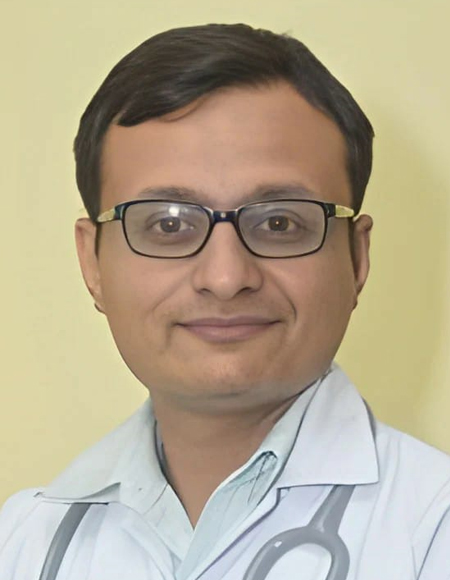


 Know Your Doctor

Dr. Parekh Harsh Yogeshkumar is a highly experienced Consultant Endocrinologist with over 15 years of clinical experience in Internal Medicine and Endocrinology. He completed his MBBS from Grant Medical College, Mumbai, MD in Medicine from Government Medical College, Bhavnagar, and DNB in Endocrinology from CARE Hospitals, Hyderabad.
He specializes in the diagnosis and treatment of diabetes, thyroid disorders, obesity, osteoporosis, PCOS, growth disorders, pituitary diseases, adrenal disorders, parathyroid disorders, lipid abnormalities, endocrine hypertension, and reproductive endocrine disorders.
Dr. Parekh is actively involved in clinical research, national and international clinical trials, medical education, and has authored publications and textbook chapters in the field of Endocrinology and Diabetes. His patient-centered approach focuses on accurate diagnosis, personalized treatment plans, lifestyle guidance, and long-term disease management to help patients achieve better health and improved quality of life.
Know More


 Our Specialized Services
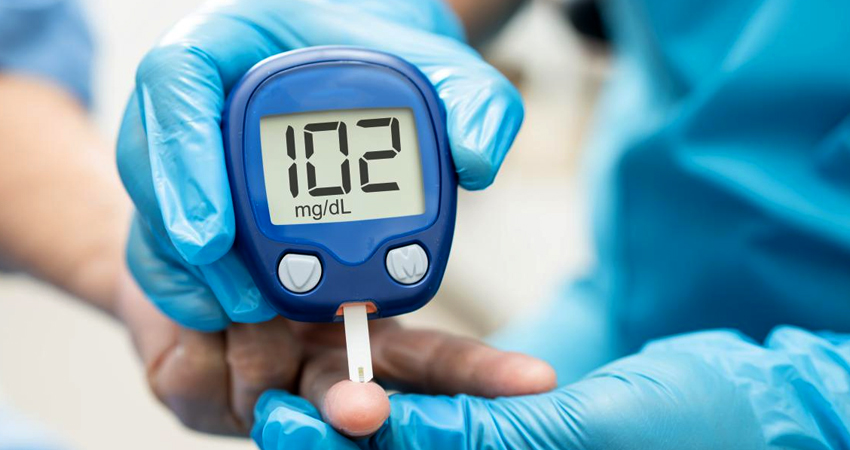
A chronic autoimmune condition where the immune system destroys insulin-producing beta cells in the pancreas, requiring lifelong insulin therapy.
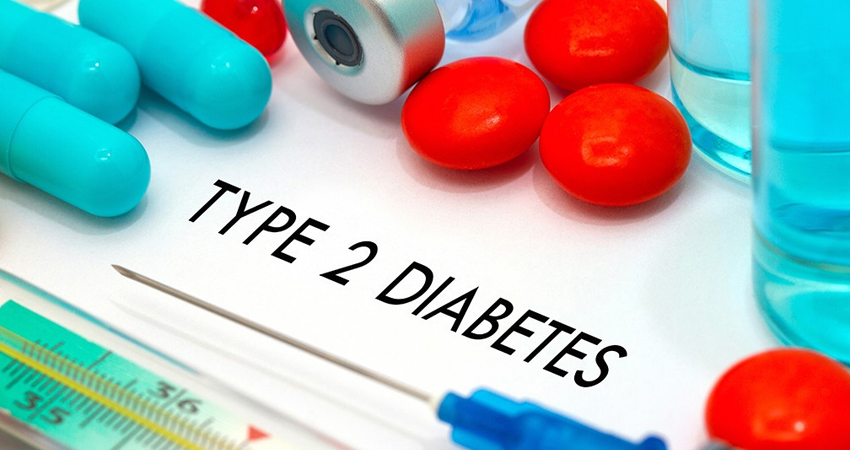
The most common form of diabetes, characterised by insulin resistance and relative insulin deficiency, closely linked to lifestyle factors.

Develops during pregnancy when the body cannot produce enough insulin to meet increased demands, resulting in elevated blood sugar levels.
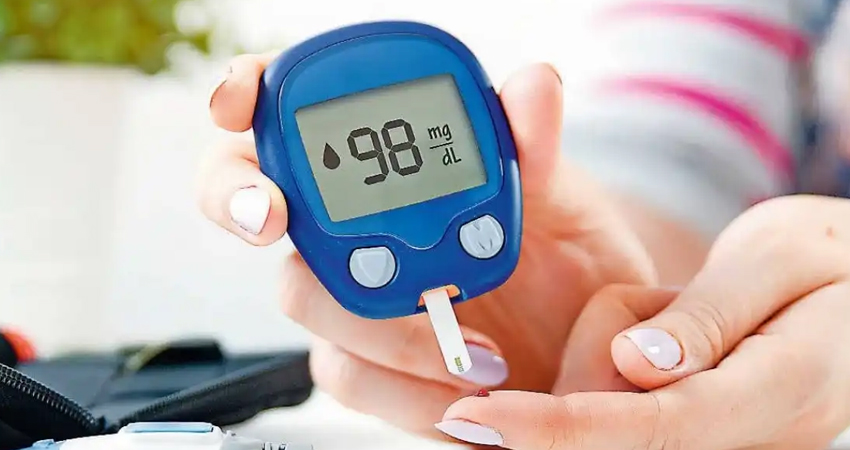
Occurs when excess hormones interfere with insulin action or production, causing secondary diabetes due to an underlying hormonal disorder.
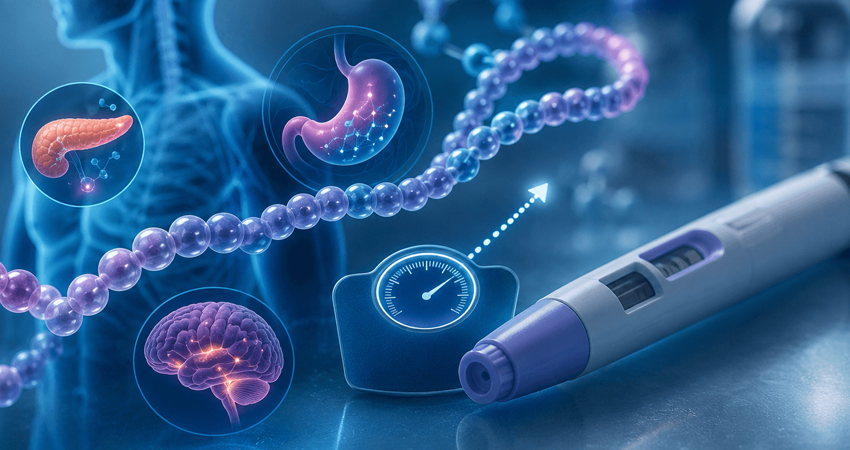
Type 3c diabetes arising from diseases or damage to the pancreas that impair its ability to produce insulin, requiring a distinct management approach.
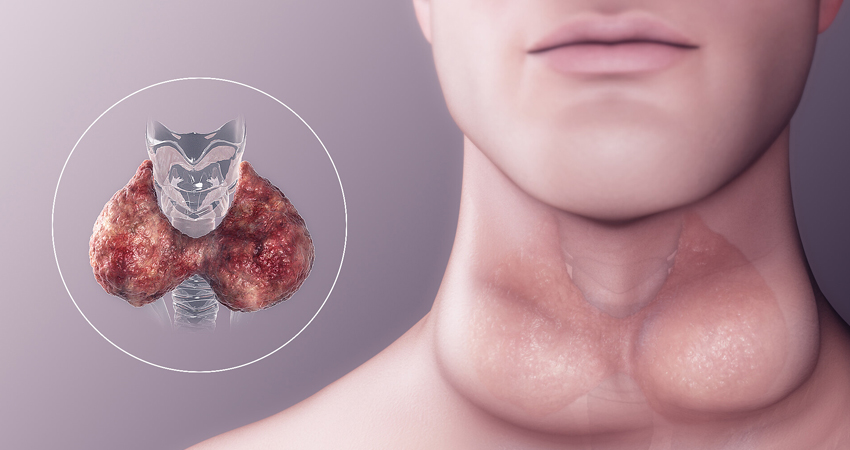
The thyroid gland does not produce enough hormones, slowing the body's functions and affecting metabolism, energy levels, and overall health.
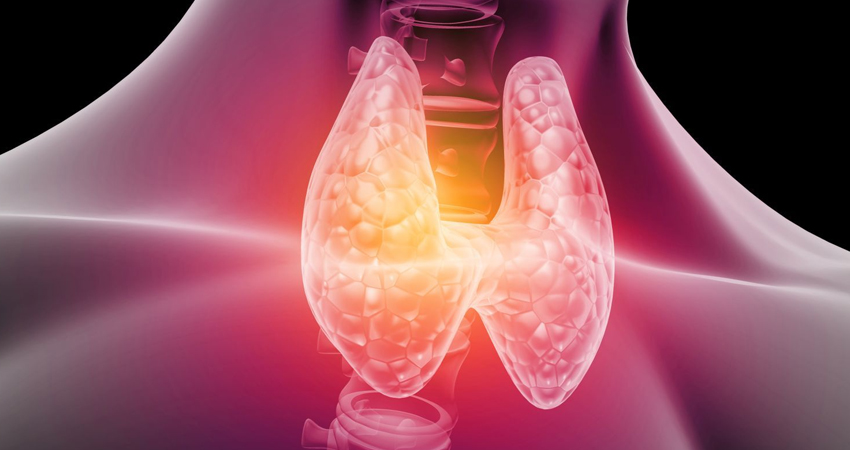
The thyroid gland produces too much thyroid hormone, speeding up metabolism and causing symptoms affecting the heart, weight, and mood.

Solid or fluid-filled lumps within the thyroid, or an enlarged thyroid gland, requiring evaluation to rule out cancer or functional abnormalities.
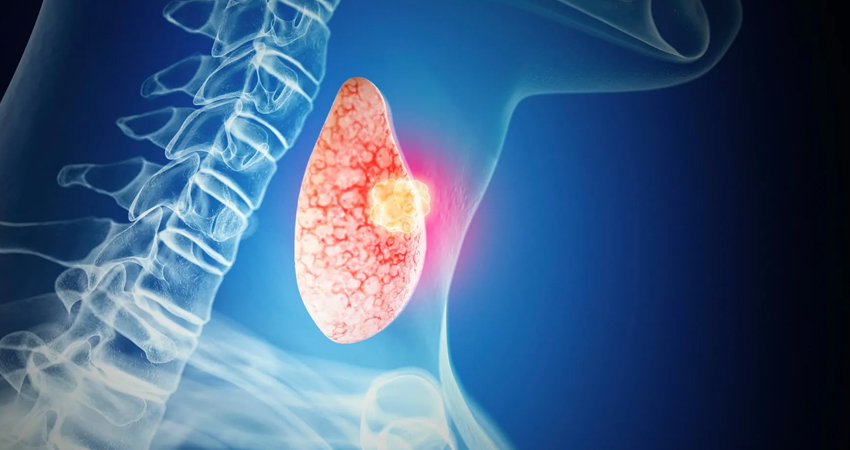
One of the most treatable forms of cancer, with high survival rates when detected early. Most thyroid cancers are slow-growing and respond well to treatment.

Thyroid disorders in children and adolescents that significantly affect growth, development, and school performance. Early detection is critical for healthy development.
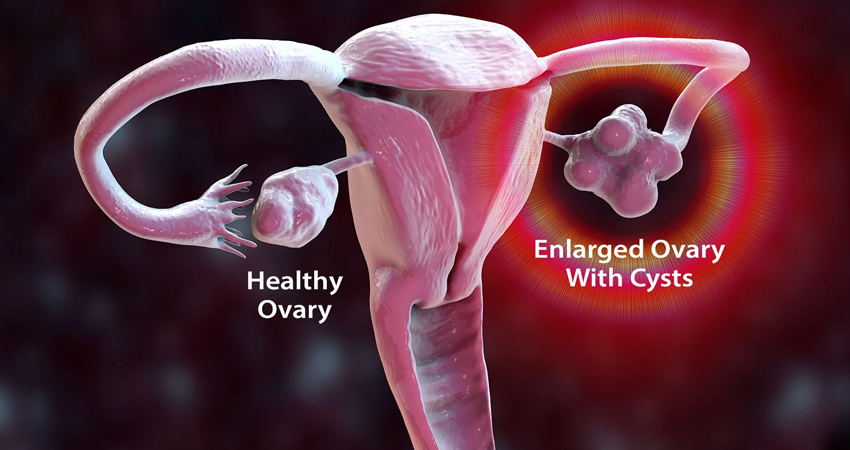
One of the most common hormonal disorders in women of reproductive age, characterised by hormonal imbalance, irregular cycles, and links to insulin resistance.
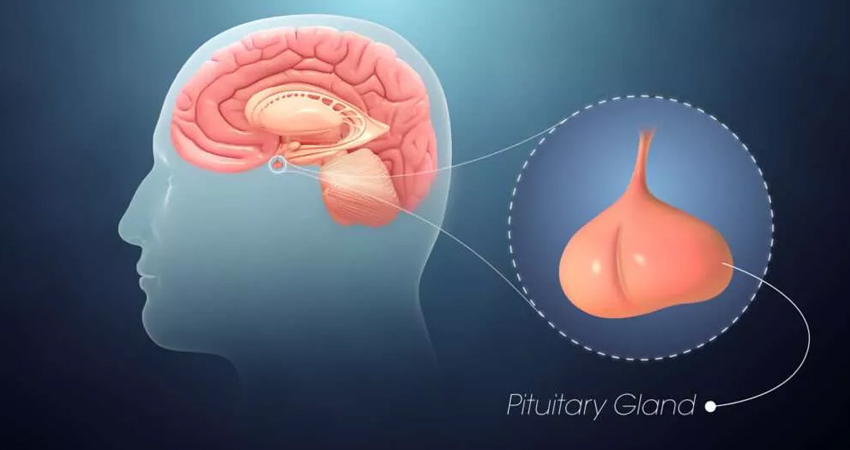
The "master gland" controls other hormonal glands. Its disorders affect growth, reproduction, thyroid function, adrenal function, and overall hormonal balance.
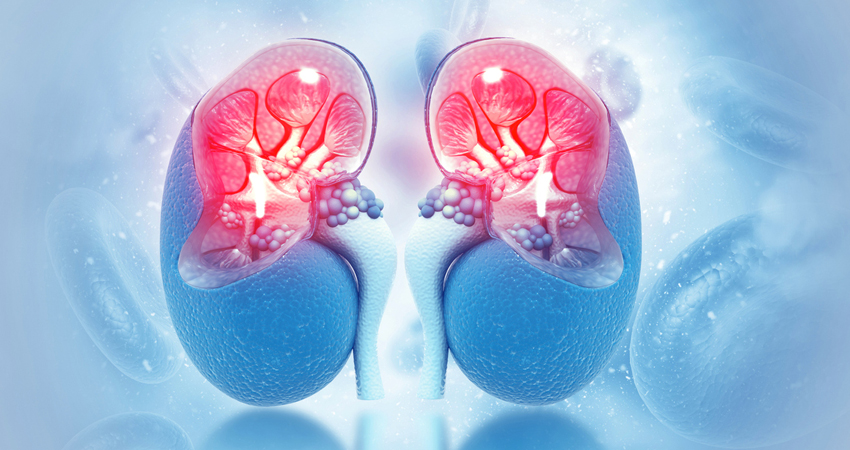
The adrenal glands produce cortisol, adrenaline, and aldosterone. Disorders cause overproduction or underproduction of these hormones, affecting metabolism and blood pressure.

Excessive growth of dark, coarse hair in women in areas typical of male hair growth, often a sign of underlying hormonal imbalance and excess androgen levels.

Conditions caused by imbalances in sex hormones affecting sexual development, fertility, libido, and quality of life in both men and women.
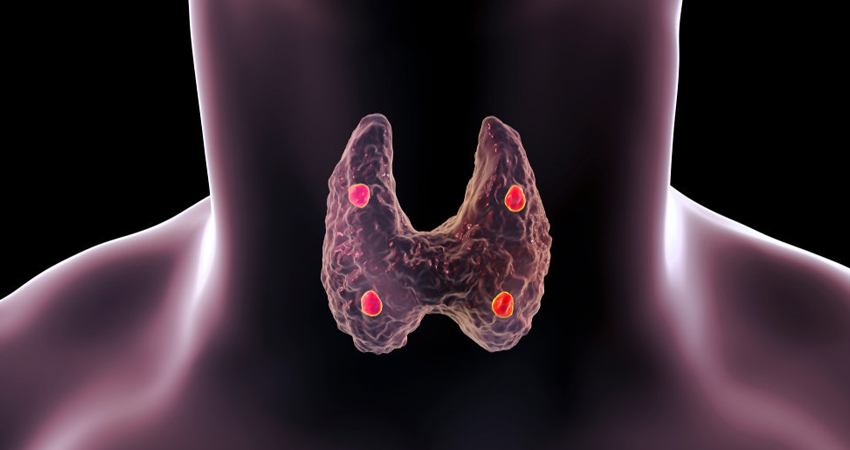
The parathyroid glands regulate calcium via PTH. Their disorders lead to abnormal calcium levels, causing bone loss, kidney stones, muscle cramps, and weakness.

High blood pressure caused by hormonal disorders. Identifying and treating the underlying endocrine condition can lead to dramatic improvement or cure of hypertension.

A complex, chronic condition of excess body fat associated with diabetes, cardiovascular disease, and other metabolic consequences requiring a comprehensive approach.
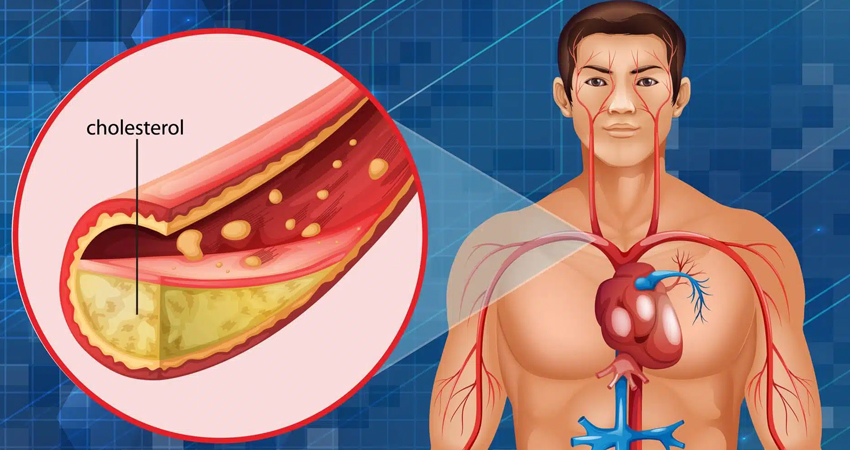
Abnormal blood fat levels including high LDL, low HDL, or elevated triglycerides — a major risk factor for heart disease and stroke, often linked to hormonal conditions.
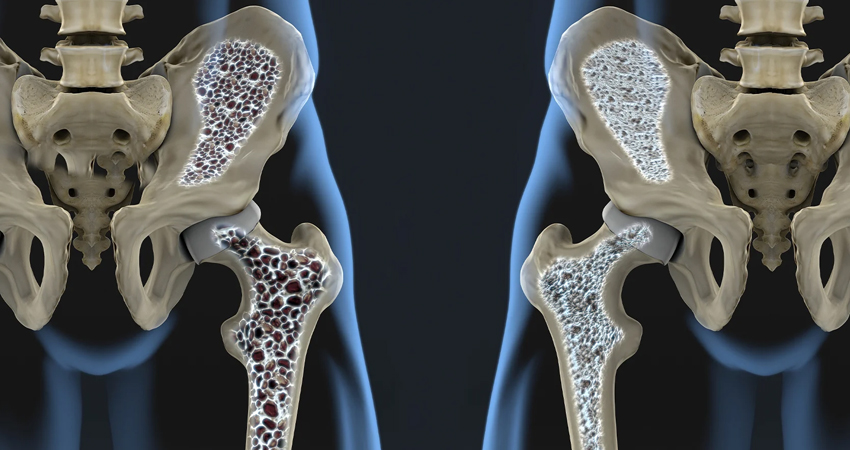
Characterised by low bone density making bones fragile and prone to fractures. Especially common in post-menopausal women and can result from hormonal disorders.
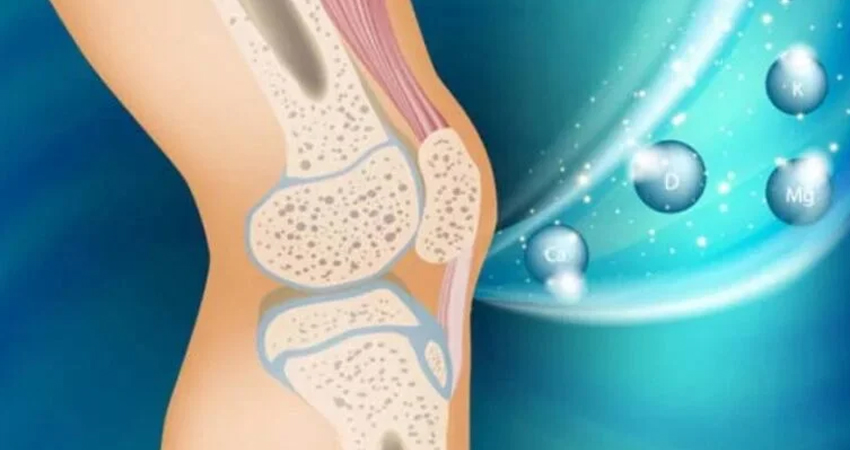
When the body's calcium regulation is disrupted, a range of disorders develop — including hypercalcaemia, hypocalcaemia, vitamin D deficiency, and osteomalacia.

When a child grows significantly slower or faster than expected. Hormonal imbalances are a key cause, and early treatment can significantly improve a child's adult height.
Why Patients Trust Us
Every patient receives an individualized treatment approach based on detailed evaluation, lifestyle, and long-term health goals.
Specialized care for diabetes, thyroid diseases, obesity, PCOS, osteoporosis, pituitary, adrenal, and other endocrine disorders using the latest medical guidelines.
Combining advanced diagnostics, modern treatment protocols, patient education, and continuous follow-up to achieve the best possible outcomes.

Dr. Harsh is a true expert. During my consultations for thyroid and diabetes issues, he patiently explained my hormone levels, lab results, and treatment options in simple terms, making a complex topic easy to understandand implement. His precise prescriptions quickly stabilized my symptoms, and follow-ups were thorough. Highly recommend.

Dr. Harsh Parekh is a highly skilled and compassionate endocrinologist. His detailed approach and clear explanations make patients feel confident and well-informed about their condition. He takes the time to understand the root cause before recommending any treatment. I’ve seen great results under his care and would definitely recommend him to anyone dealing with thyroid, diabetes, or hormonal problems.
Dr. Harsh is a true expert. During my consultations for thyroid and diabetes issues, he patiently explained my hormone levels, lab results, and treatment options in simple terms, making a complex topic easy to understandand implement. His precise prescriptions quickly stabilized my symptoms, and follow-ups were thorough. Highly recommend.
Dr. Harsh Parekh is a highly skilled and compassionate endocrinologist. His detailed approach and clear explanations make patients feel confident and well-informed about their condition. He takes the time to understand the root cause before recommending any treatment. I’ve seen great results under his care and would definitely recommend him to anyone dealing with thyroid, diabetes, or hormonal problems.