



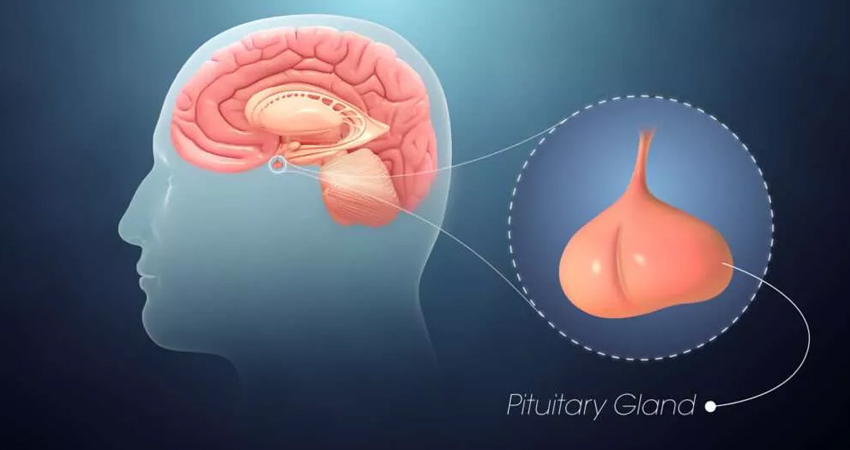
Pituitary Gland Disorders
The pituitary gland, often called the "master gland," controls the function of many other hormonal glands in the body. Disorders of the pituitary can affect growth, reproduction, thyroid function, adrenal function, and overall hormonal balance. Accurate diagnosis and tailored management are key to restoring hormonal health.
Common Pituitary Disorders
- Prolactinoma – Most common pituitary tumour; causes elevated prolactin, affecting fertility and periods
- Acromegaly – Excess growth hormone in adults; causes enlarged hands, feet, and facial features
- Cushing's Disease – Excess ACTH stimulates cortisol overproduction from the adrenal glands
- Hypopituitarism – Underproduction of one or more pituitary hormones
- Diabetes Insipidus – Deficiency of ADH causing excessive urination and thirst
- Non-functioning Pituitary Adenoma – Tumour that does not produce hormones but may compress nearby structures
Symptoms
Symptoms depend on the type and size of the disorder:
- Headaches and visual disturbances
- Unexplained weight gain or loss
- Irregular or absent periods
- Unexplained fatigue
- Changes in body shape or features
- Infertility
- Excessive urination and thirst
- Mood and cognitive changes
Diagnosis
- Blood tests for pituitary and related hormones (GH, IGF-1, prolactin, cortisol, ACTH, TSH, LH, FSH)
- MRI of the pituitary gland
- Visual field testing
- Dynamic pituitary function tests
Treatment
Medications
Dopamine agonists for prolactinoma, somatostatin analogues for acromegaly, and hormone replacement for deficiencies.
Surgery
Transsphenoidal surgery to remove pituitary tumours is often the first-line treatment for certain conditions.
Radiation Therapy
Considered when surgery is not feasible or for residual tumour control.
Hormone Replacement
Replacement of deficient hormones (thyroid, adrenal, sex hormones, growth hormone) as required.
Why Choose Dr. Harsh Parekh?
Dr. Harsh Parekh has expertise in the diagnosis and management of complex pituitary disorders. He collaborates with neurosurgeons and radiologists to ensure patients receive a comprehensive, multidisciplinary approach to pituitary care.