



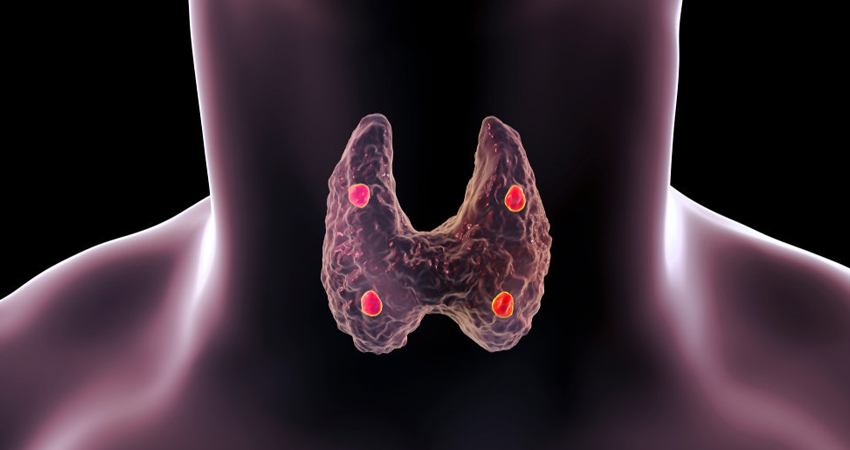
Parathyroid Disorders
The parathyroid glands are four tiny glands located behind the thyroid that regulate calcium and phosphate levels in the body through parathyroid hormone (PTH). Disorders of these glands can lead to abnormal calcium levels, causing a range of symptoms from bone loss and kidney stones to muscle cramps and weakness.
Types of Parathyroid Disorders
- Primary Hyperparathyroidism – Overactive parathyroid glands producing excess PTH, leading to high blood calcium (hypercalcaemia)
- Secondary Hyperparathyroidism – Overactivity in response to low calcium, often due to vitamin D deficiency or kidney disease
- Hypoparathyroidism – Insufficient PTH leading to low blood calcium (hypocalcaemia)
- Parathyroid Adenoma – A benign tumour of a parathyroid gland causing excess PTH
Symptoms
Hyperparathyroidism (High Calcium):
- Kidney stones
- Bone pain and increased fracture risk
- Fatigue and weakness
- Nausea, constipation, and abdominal pain
- Excessive urination and thirst
- Depression or cognitive changes
Hypoparathyroidism (Low Calcium):
- Muscle cramps and spasms (tetany)
- Tingling in hands, feet, and around the mouth
- Anxiety and depression
- Seizures in severe cases
- Dry skin, brittle nails, and hair loss
Diagnosis
- Serum calcium, phosphate, and PTH levels
- 24-hour urine calcium
- Vitamin D levels
- Kidney function tests
- Bone density scan (DEXA)
- Sestamibi scan or neck ultrasound to locate abnormal glands
Treatment
Hyperparathyroidism
Surgery (parathyroidectomy) is often curative for primary hyperparathyroidism. Medications and monitoring are used when surgery is not immediately needed.
Hypoparathyroidism
Calcium and active vitamin D supplementation; PTH replacement therapy in refractory cases.
Why Choose Dr. Harsh Parekh?
Dr. Harsh Parekh has expertise in diagnosing and managing parathyroid disorders, including complex cases of hypercalcaemia and hypocalcaemia. He provides comprehensive evaluation, treatment planning, and long-term monitoring to preserve bone health and kidney function.