



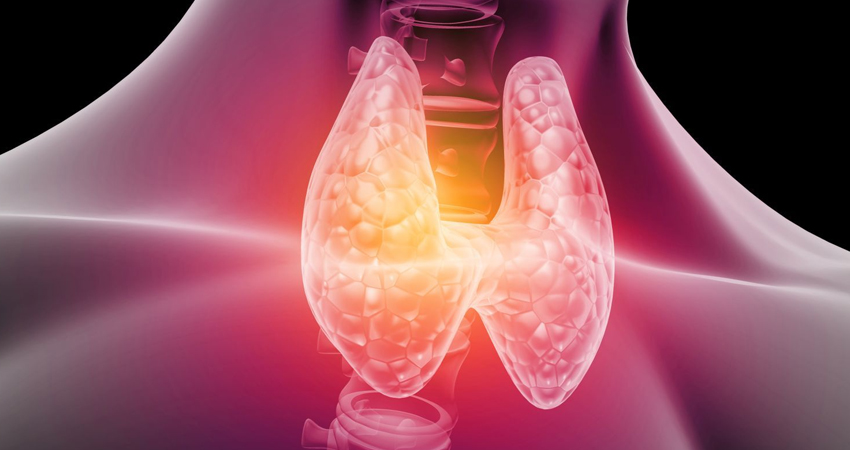
Hyperthyroidism
Hyperthyroidism occurs when the thyroid gland produces too much thyroid hormone, speeding up the body's metabolism. This can lead to a wide range of symptoms affecting the heart, weight, mood, and overall health. Early diagnosis and treatment are essential to prevent serious complications.
Symptoms
- Unexplained weight loss despite increased appetite
- Rapid or irregular heartbeat (palpitations)
- Anxiety, nervousness, or irritability
- Tremor (shaking hands or fingers)
- Excessive sweating and heat intolerance
- Frequent bowel movements or diarrhoea
- Fatigue and muscle weakness
- Difficulty sleeping
- Enlarged thyroid gland (goitre)
- Changes in menstrual patterns
- Bulging eyes (in Graves' disease)
Causes
- Graves' disease (the most common cause – an autoimmune condition)
- Toxic multinodular goitre
- Toxic thyroid adenoma (overactive thyroid nodule)
- Excess iodine intake
- Thyroiditis (inflammation of the thyroid)
- Overuse of thyroid hormone medication
Diagnosis
- TSH blood test (suppressed in hyperthyroidism)
- Free T4 and Free T3 levels
- Thyroid antibody tests (TSI, TRAb for Graves' disease)
- Thyroid ultrasound
- Radioactive iodine uptake scan
Treatment
Anti-Thyroid Medications
Drugs such as carbimazole or propylthiouracil reduce thyroid hormone production.
Radioactive Iodine Therapy
Destroys overactive thyroid cells to reduce hormone production — a common long-term treatment.
Beta-Blockers
To relieve symptoms such as rapid heartbeat and tremors while other treatments take effect.
Surgery (Thyroidectomy)
Partial or total removal of the thyroid gland may be recommended in certain cases.
Why Choose Dr. Harsh Parekh?
Dr. Harsh Parekh offers expert diagnosis and tailored treatment plans for hyperthyroidism, including management of Graves' disease and its eye complications. His patient-focused approach ensures the safest and most effective treatment for each individual.