



Type 1 Diabetes
Type 1 Diabetes is a chronic autoimmune condition in which the body's immune system mistakenly attacks and destroys the insulin-producing beta cells in the pancreas. As a result, the body produces little or no insulin, making lifelong insulin therapy essential. It commonly develops during childhood or adolescence but can occur at any age.
With timely diagnosis, proper insulin management, healthy lifestyle modifications, and regular monitoring, individuals with Type 1 Diabetes can lead healthy, active, and fulfilling lives.
Symptoms of Type 1 Diabetes
The symptoms of Type 1 Diabetes often appear suddenly and may include:
- Excessive thirst
- Frequent urination
- Increased hunger
- Unexplained weight loss
- Fatigue and weakness
- Blurred vision
- Dry mouth
- Irritability or mood changes
- Slow healing of wounds
- Frequent infections
If left untreated, Type 1 Diabetes can lead to diabetic ketoacidosis (DKA), a serious medical emergency that requires immediate medical attention.
Causes & Risk Factors
The exact cause of Type 1 Diabetes is not fully understood, but several factors may contribute, including:
- Autoimmune destruction of insulin-producing cells
- Genetic predisposition
- Family history of Type 1 Diabetes
- Certain viral infections that may trigger the immune response
- Environmental factors
Unlike Type 2 Diabetes, Type 1 Diabetes is not caused by lifestyle or dietary habits.
Diagnosis
Early and accurate diagnosis is essential for effective treatment. Your endocrinologist may recommend:
- Blood Glucose Test
- HbA1c Test
- Fasting Blood Sugar
- Random Blood Sugar
- C-Peptide Test
- Autoantibody Testing
- Urine Ketone Test (when required)
Treatment
Managing Type 1 Diabetes requires lifelong care and a personalized treatment approach.
Insulin Therapy
Daily insulin injections or insulin pump therapy to maintain healthy blood sugar levels.
Blood Sugar Monitoring
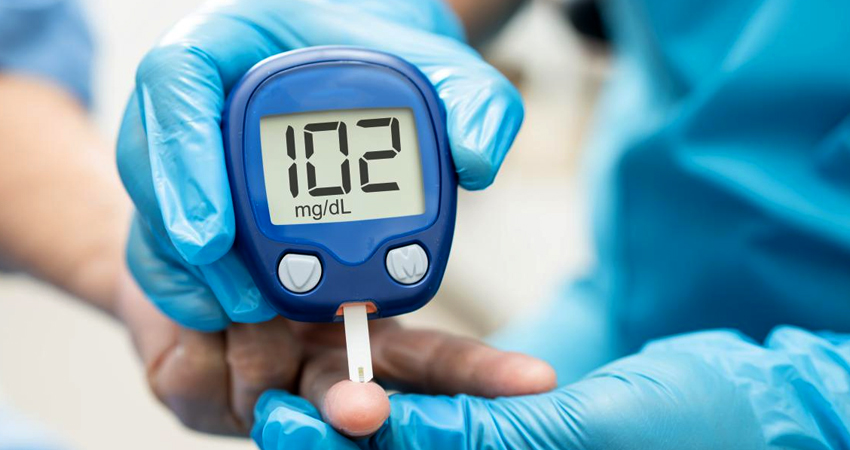
Regular monitoring using a glucometer or Continuous Glucose Monitoring (CGM) systems.
Medical Nutrition Therapy
Customized meal planning to balance carbohydrates, proteins, and healthy fats while maintaining stable blood sugar levels.
Physical Activity Guidance
Exercise recommendations tailored to individual health needs while preventing blood sugar fluctuations.
Diabetes Education
Comprehensive education on insulin administration, blood glucose monitoring, hypoglycemia management, and lifestyle modifications.
Possible Complications
If blood sugar levels remain uncontrolled over time, complications may include:
- Diabetic Retinopathy (Eye Disease)
- Kidney Disease (Diabetic Nephropathy)
- Nerve Damage (Neuropathy)
- Heart Disease
- Stroke
- Foot Problems
- Diabetic Ketoacidosis (DKA)
Regular follow-up and proper diabetes management significantly reduce the risk of these complications.
Why Choose Dr. Harsh Parekh?
Dr. Harsh Parekh provides comprehensive and individualized care for patients with Type 1 Diabetes. Every treatment plan is tailored to the patient's age, lifestyle, medical history, and health goals. With expertise in endocrinology and diabetes management, he focuses on achieving optimal blood sugar control while minimizing the risk of long-term complications through continuous monitoring, education, and compassionate care.