



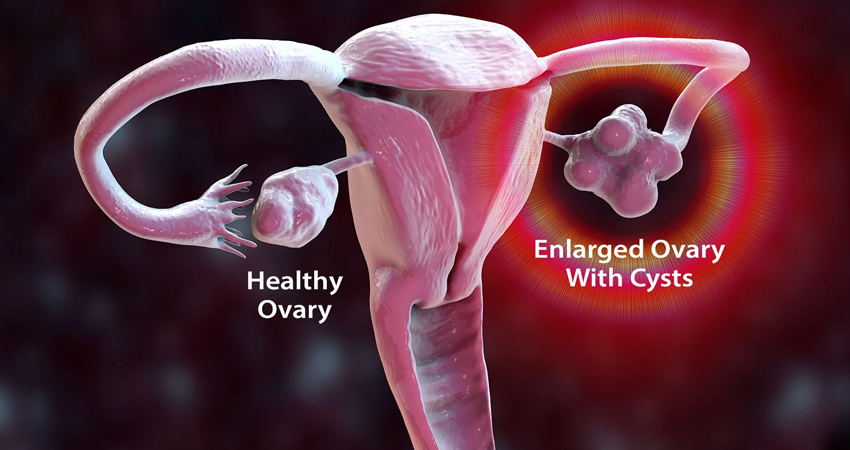
PCOS (Polycystic Ovary Syndrome)
Polycystic Ovary Syndrome (PCOS) is one of the most common hormonal disorders affecting women of reproductive age. It is characterised by hormonal imbalance, irregular menstrual cycles, and the presence of multiple small cysts on the ovaries. PCOS is also closely linked to insulin resistance and metabolic health.
With the right treatment and lifestyle management, women with PCOS can manage their symptoms effectively and maintain their fertility and long-term health.
Symptoms
- Irregular, infrequent, or absent menstrual periods
- Excess facial and body hair (hirsutism)
- Acne and oily skin
- Thinning hair or male-pattern baldness
- Weight gain, particularly around the abdomen
- Difficulty conceiving (infertility)
- Darkened skin patches (acanthosis nigricans)
- Mood changes, anxiety, or depression
Causes & Risk Factors
- Excess androgens (male hormones)
- Insulin resistance leading to elevated insulin levels
- Genetic predisposition
- Low-grade inflammation
Diagnosis
Diagnosis is typically based on two of the three Rotterdam criteria:
- Irregular or absent ovulation
- Elevated androgen levels (clinical or biochemical)
- Polycystic ovaries on ultrasound
Additional tests may include: blood hormonal profile (LH, FSH, testosterone, DHEAS, prolactin), fasting glucose and insulin levels, lipid profile, and thyroid function.
Treatment
Lifestyle Modifications
Even a modest weight loss (5–10%) can significantly improve hormonal balance, menstrual regularity, and fertility.
Medications
Hormonal contraceptives, anti-androgens, or metformin may be prescribed depending on symptoms and goals.
Fertility Treatment
Ovulation induction agents or assisted reproduction techniques for women trying to conceive.
Management of Associated Conditions
Treating insulin resistance, diabetes risk, cholesterol abnormalities, and mental health concerns as part of holistic care.
Why Choose Dr. Harsh Parekh?
Dr. Harsh Parekh offers comprehensive, individualised management of PCOS, addressing both the hormonal and metabolic aspects of the condition. His approach focuses on symptom relief, long-term health, fertility preservation, and prevention of complications such as diabetes and cardiovascular disease.